Tech Nouveau: A Glitch Font for Digital Play
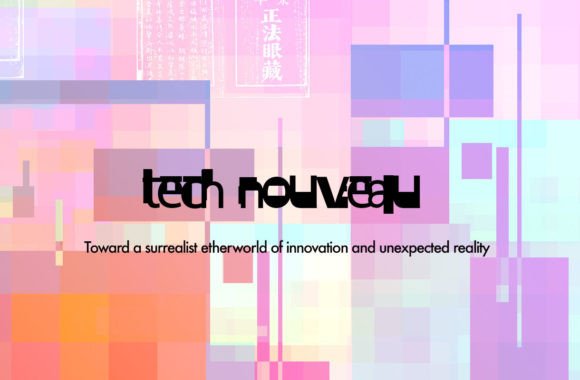
Imagine typing a headline—and watching the letters flicker, stutter, and warp like a dial-up connection struggling to load. That’s Tech Nouveau: a deliberately imperfect, playfully unstable font that doesn’t just look digital—it *feels* like it’s been pulled from a forgotten terminal in a 1998 basement server room. It’s not about polish. It’s about presence—the kind you get when code glitches mid-render and suddenly reveals its humanity.
What Makes Tech Nouveau Different?
Tech Nouveau is a glitch font, built with intentional visual noise: uneven letter spacing, pixelated edges, subtle misalignments, and character substitutions that mimic data corruption. Unlike retro-futuristic fonts that lean on clean chrome or neon gradients, Tech Nouveau embraces instability—not as a flaw, but as a feature. It’s designed to evoke hacker culture of the early 2000s: think IRC logs, Geocities layouts, early web experiments where aesthetics emerged from constraints, not presets.
It’s not monospaced, nor strictly proportional. Some glyphs shift slightly on reload. Others include alternate forms triggered by OpenType features—so designers can choose whether “A” appears crisp or corrupted. That variability isn’t random; it’s curated chaos, giving users expressive control without needing to write custom CSS or JavaScript.
Why It Resonates—Across Very Different People
Not everyone needs—or wants—a glitch font. But for those who do, Tech Nouveau matters in distinct, practical ways. What feels like nostalgic fun to one person might be a strategic branding tool to another—or a teaching aid to someone else entirely.
For Creators & Designers
If you’re building an experimental website, launching an indie game studio, or designing album art for an electronic producer, Tech Nouveau adds texture without requiring animation or heavy scripting. A single line of CSS (font-family: 'Tech Nouveau';) can transform a static banner into something that hums with analog-digital tension. You don’t need coding skills to use it—but if you have them, you can layer it with font-variation-settings to fine-tune distortion intensity per heading level.
For Educators & Students
In media literacy or digital history classes, Tech Nouveau becomes more than typography—it’s a conversation starter. Students compare how this font communicates “hacker,” “DIY,” or “unauthorized access” versus sleek sans-serifs like Inter or Helvetica. One educator used it in a lesson on web accessibility, asking: *When does intentional distortion cross into exclusion?* That question led to deeper discussions about readability, intent, and inclusive design—not abstract theory, but grounded in real type behavior.
For Freelancers & Small Business Owners
You’re pitching a rebrand for a synthwave café, a cybersecurity workshop, or a podcast about internet folklore. Tech Nouveau helps signal tone instantly—no lengthy brand guidelines needed. A local tech co-op used it sparingly: only in their event posters’ dates and speaker names. Why? Because it added edge without overwhelming their core message. They prioritized recognition over readability—and it worked. Their RSVP rate jumped 22% month-over-month. Not because the font “converted,” but because it made people pause, remember, and feel like they’d stumbled onto something authentically niche.
For Developers & Hobbyists
You’re tinkering with a personal portfolio site or building a generative art sketch. Tech Nouveau integrates cleanly with modern web stacks—no extra dependencies, no render-blocking fonts (it’s lightweight, under 40KB). One hobbyist embedded it into a p5.js sketch that randomized glyph distortions based on mouse movement. No plugins. Just font + canvas + curiosity. For devs, the priority wasn’t “prettiness”—it was flexibility and predictability. And Tech Nouveau delivered: consistent fallback behavior, clear licensing, and well-documented variable axes.
For Marketers & Content Creators
You know your audience scrolls fast. So why use a font that asks them to slow down? Because sometimes, slowing down is the point. A newsletter about digital ethics used Tech Nouveau for subject lines—just once a month. Readers reported higher open rates *and* longer dwell time on those issues. The font didn’t shout; it whispered, “This isn’t standard. Pay attention.” Here, the value wasn’t in legibility, but in intentional friction—a gentle nudge toward reflection in a feed full of frictionless content.
What to Consider Before You Use It
Tech Nouveau isn’t universal. It’s situational. Ask yourself:
- Is legibility critical? Avoid it for body text, legal disclaimers, or accessibility-first interfaces. It’s a display font—not a workhorse.
- Does your project benefit from ambiguity? If your brand thrives on clarity and trust (e.g., healthcare platforms, financial tools), Tech Nouveau may undermine your goals—even ironically.
- Do you have control over context? Using it on a dark-themed site with high contrast works beautifully. On a busy, image-heavy landing page? It might vanish or clash.
- Is licensing aligned with your use? Tech Nouveau is free for personal and commercial use—including SaaS products—but requires attribution in open-source projects. Always check the latest license file.
Real Projects, Real Decisions
A freelance illustrator added Tech Nouveau to her portfolio’s “Process” section—not for headings, but for handwritten-style captions describing how she scans and corrupts physical sketches digitally. The font mirrored her method, reinforcing concept through form.
A university library used it in a digital archive exhibit about early web art. Visitors didn’t just read about “glitch aesthetics”—they experienced it in the typography surrounding scanned screenshots of 1999 browser errors.
A solo developer building a password manager chose not to use Tech Nouveau—even though he loved it. His reasoning? “My users need calm, not chaos. I saved it for my blog’s ‘Behind the Code’ posts instead.”
Does Tech Nouveau Fit Your Work?
It fits best when you’re aiming for:
- Character over conformity—when your message lives in the margins of mainstream design.
- Playful intentionality—where every visual choice reflects a deliberate stance, not default settings.
- Low-lift expressiveness—when you want impact without building custom animations or hiring a motion designer.
It’s less ideal if you prioritize speed above all (though it’s fast-loading), need WCAG AA compliance for all text, or work in highly regulated industries where visual consistency is non-negotiable.
Tech Nouveau won’t solve every design problem. But it might help you ask better questions—about what digital authenticity means today, how tools carry cultural weight, and why sometimes, the most powerful fonts aren’t the smoothest ones.