Brayles: Inspiring & Fun Font Magic
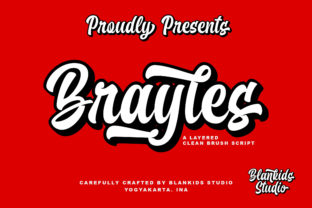
Brayles isn’t just another font—it’s a spark of personality in type form. Designed with playful energy and thoughtful craftsmanship, Brayles features unique characters that carry warmth, confidence, and a touch of whimsy. Whether you’re drafting a social media post, designing a workshop flyer, or branding a small business, Brayles helps your message feel human, memorable, and unmistakably yours.
What Makes Brayles Stand Out?
At its core, Brayles is a display font built for impact—not invisibility. Unlike neutral sans-serifs meant to fade into the background, Brayles leans into character. Its letters have subtle quirks: a gently tilted ‘A’, a looping ‘g’, rounded terminals on uppercase letters, and balanced spacing that feels intentional rather than rigid. These aren’t random flourishes—they’re carefully considered choices that make reading feel inviting, not distracting.
It works beautifully at larger sizes—think headlines, posters, logos, or Instagram story text—but also holds up well in medium-scale applications like email headers or presentation titles. It’s not intended for long paragraphs of body text (that’s where pairing it with a clean, legible companion font shines), but where attention matters most, Brayles delivers.
Why People Reach for Brayles
Creators choose Brayles when they want their work to reflect authenticity—not perfection. A freelance educator might use it for course title slides to signal approachability. A café owner could apply it to a chalkboard-style menu board to evoke charm and local flavor. A blogger launching a new newsletter series might pick Brayles for subject lines to stand out in crowded inboxes.
It supports real goals: building connection, reinforcing brand voice, encouraging engagement, and cutting through visual noise. For someone just starting with design tools like Canva or Figma, Brayles is forgiving—it doesn’t require advanced typography knowledge to look great. Drop it in, adjust size and color, and instantly elevate the mood.
Real-Life Uses You’ll Recognize
- Small business branding: A handmade soap maker uses Brayles for product labels and website banners—soft curves echo natural ingredients; friendly letterforms invite trust.
- Educational materials: A high school art teacher applies Brayles to classroom posters about color theory—students notice, remember, and even comment on how “cool the font looks.”
- Digital content: A wellness coach adds Brayles to Instagram carousel slides summarizing mindfulness tips—readers pause longer, share more, and tag friends.
- Personal projects: A parent designing a birthday invitation for their child selects Brayles because it feels joyful without being childish—just right for all ages attending.
Where Brayles Fits Best (and Where It Doesn’t)
Brayles thrives where tone and identity matter more than neutrality. It’s ideal for creative portfolios, boutique packaging, event promotions, podcast cover art, and landing pages for passion-driven ventures. In these contexts, its uniqueness becomes an asset—not a distraction.
That said, it’s less suited for legal disclaimers, technical documentation, or government forms where clarity and convention take priority. Likewise, avoid stretching Brayles too thin (e.g., ultra-light weights) or cramming it into tiny spaces—its charm lives in breathing room and confident scale.
Smart Pairing Tips for Beginners
Think of Brayles as the lead singer—not the whole band. Pair it thoughtfully:
- Use it for headings only, then switch to a simple sans-serif (like Inter, Open Sans, or Lato) for body copy—this creates rhythm and improves readability.
- Match energy, not style. Brayles pairs well with fonts that share its warmth—even if they’re more restrained. Avoid clashing moods (e.g., pairing Brayles with a harsh, geometric tech font).
- Test contrast early. Light-colored Brayles on white can vanish on some screens. Try charcoal gray instead of pure black—or add subtle shadow for lift.
Things to Keep in Mind Before You Use Brayles
First, check licensing. Brayles is often available under personal-use licenses for free, but commercial projects—like selling merchandise or using it in client work—usually require a paid license. Always verify terms before finalizing designs.
Second, consider accessibility. While Brayles is highly legible at appropriate sizes, avoid relying solely on its visual flair to convey meaning. Support it with clear hierarchy, sufficient color contrast, and alt text where needed—especially in digital formats.
Third, think about consistency. Using Brayles across multiple touchpoints (website, social, print) strengthens recognition—but overusing it within one layout (e.g., five different heading levels all in Brayles) can dilute its effect. Let it shine where it counts.
A Friendly Nudge for Your Next Project
You don’t need special training to enjoy Brayles. If you’ve ever hesitated before hitting “post” because something felt flat or forgettable—that’s where Brayles steps in. It won’t fix weak messaging, but it will help strong ideas land with more heart and presence.
Try this: open your design tool right now. Create a blank canvas. Type three words that describe your project—then apply Brayles. Adjust the size until it feels bold but not overwhelming. Change the color to match your vibe. Notice how much faster the mood shifts.
That’s the quiet power of thoughtful typography. Brayles doesn’t shout. It smiles, winks, and says, “This matters—and so do you.” Whether you’re sketching a logo at midnight or prepping a slide deck before sunrise, it’s the kind of detail that reminds you why creating things feels good.